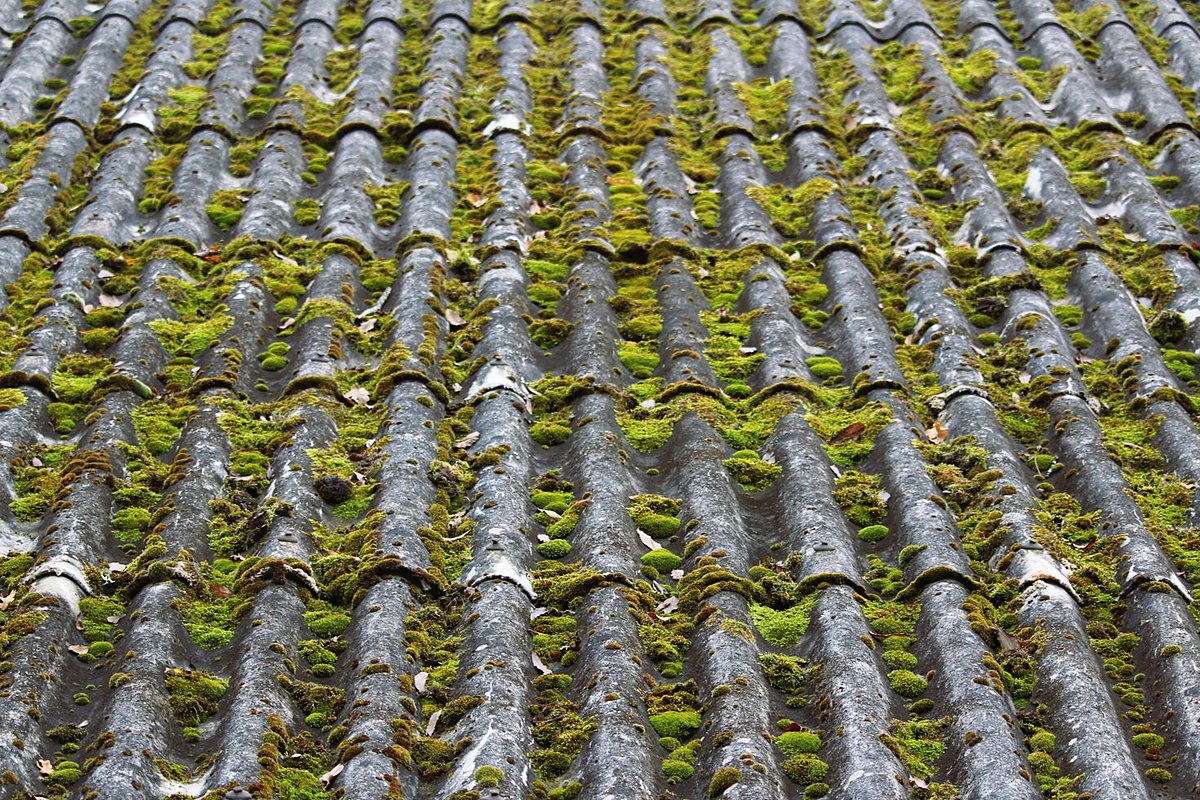
- Dark streaks are usually Gloeocapsa magma, an algae that feeds on shingle filler.
- It is mostly cosmetic and does not mean the roof is leaking.
- Pressure washing damages shingles by stripping granules.
- Gentle cleaning or soft-washing is the safe approach.
- Algae-resistant shingles and better attic ventilation reduce recurrence.
What causes the black streaks
The streaks are colonies of Gloeocapsa magma, a blue-green algae common in warm, humid regions. It arrives as airborne spores, settles on the roof and feeds on the limestone filler used in asphalt shingles.
The pattern is predictable: it starts on the north-facing slope, which stays shaded and damp longer, then spreads. Over time the colony darkens as it builds a UV-protective sheath — which is why the streaks look black rather than green.
It is not mold, it is not rot, and in most cases it has not compromised the roof's waterproofing. It is an appearance and heat-absorption issue more than a structural one.
Does it actually damage the roof?
Mostly no. The algae feeds on the surface filler and stains the granules, but it does not eat through the asphalt or the fiberglass mat. A heavily stained roof can still be watertight.
That said, a dark roof absorbs more heat, and a thick colony can hold moisture on the surface. It also makes it harder to spot real problems — a brown rust stain or a cracked flashing is less obvious against a black streak.
Where homeowners get into trouble is the cleaning method. Pressure washing strips granules and voids warranties. Aggressive chemical mixes can damage metal, plants and gutters. Cleaning should be gentle and targeted.
How to clean it without damaging the roof
Safe options, in order of preference:
- Professional soft-wash. A low-pressure application of a manufacturer-approved cleaning solution, dwell time, then a gentle rinse. The right approach for most roofs.
- Gentle DIY wash on a cool, overcast day with a garden sprayer and a diluted, shingle-safe cleaner. Never a pressure washer at close range.
- Leave it. If the roof is old and the staining is cosmetic, cleaning may not be worth the cost and agitation.
Avoid bleach-heavy mixes near plants, metal gutters and downspouts. Rinse landscaping before and after, and never let runoff sit in gutters.
If you are cleaning a metal roof, use a product compatible with the finish. Abrasive pads and harsh acids can damage the coating.
Want a second opinion on your roof?Call and describe what you are seeing — we will give you a straight answer before anyone climbs up.
Call (352) 614-6215Prevention that works
- Algae-resistant shingles at replacement. Copper-infused granules are the standard defense and last the life of the shingle.
- Copper or zinc strips near the ridge. Rainwater carries trace metal down the roof and inhibits growth, though the effect fades with distance.
- Better ventilation. A cooler, drier roof surface supports less growth.
- Trim overhanging trees to increase sunlight and airflow.
- Keep debris off. Organic matter feeds the colony and holds moisture.
No prevention is permanent in this climate. Algae-resistant shingles are the most reliable long-term measure, which is why we specify them on replacements.
When it is not algae
Not every dark mark is biological:
- Rust streaks usually come from a galvanized vent, flashing or fastener — a corrosion issue, not algae.
- Brown rings on the ceiling are water, not algae.
- Moss is green and fuzzy, usually in shaded valleys and along the roof edge; it holds moisture and should be removed.
- Lichen appears as gray-green patches and can indicate a roof that stays damp.
- Granule loss shows as bare, dark patches where the mat is exposed — that is age, not staining.
If you are unsure, get an inspection. A photo is usually enough to tell the difference.
Want this checked on your roof?Call (352) 614-6215 and we will inspect it, photograph what we find and tell you what it needs.
Call (352) 614-6215Questions & answers
Common questions
Short answers related to this guide.
Are black streaks on my roof dangerous?
Usually not. They are cosmetic algae growth, not structural damage. The bigger risk is damaging the roof while trying to clean it aggressively.
Can I pressure wash my shingle roof?
No. Pressure washing strips the protective granules and can void the manufacturer's warranty. Use low-pressure soft-washing with a suitable cleaner.
Will algae come back after cleaning?
Often, eventually. Cleaning removes the growth but not the conditions that favor it. Algae-resistant shingles, copper strips, ventilation and tree trimming reduce recurrence.
Does algae mean my roof needs replacing?
No. Staining alone is not a reason to replace a roof. Age, granule loss, leaks and decking condition are the real indicators.
How much does roof cleaning cost in Gainesville?
Professional soft-washing typically runs $400–$900 for a standard roof, depending on size, pitch and access. Get a fixed quote and confirm the method.
Gainesville's roofing company handles roof replacement, repair and storm response across Alachua County.
Published May 14, 2026 · Updated November 8, 2026 · Gainesville Roofing FL, Gainesville, Florida.