Roof systems & materials
The roof systems our partners install, up close
A roof is an assembly, not a single product. These are the layers and details that decide whether it lasts 15 years or 25 — shown as system close-ups rather than pretty driveway photos.
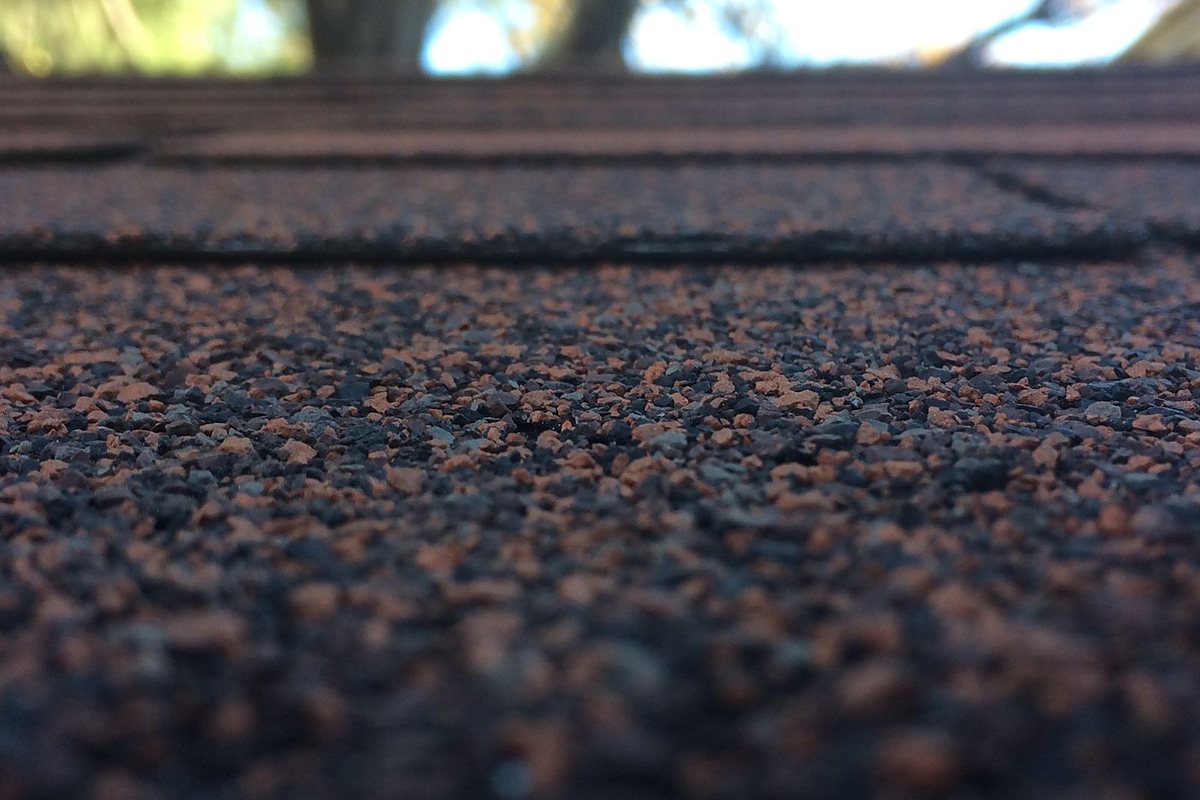
Architectural shingle
Full tear-off, synthetic underlayment, new ridge vent and pipe boots. The standard Gainesville replacement.
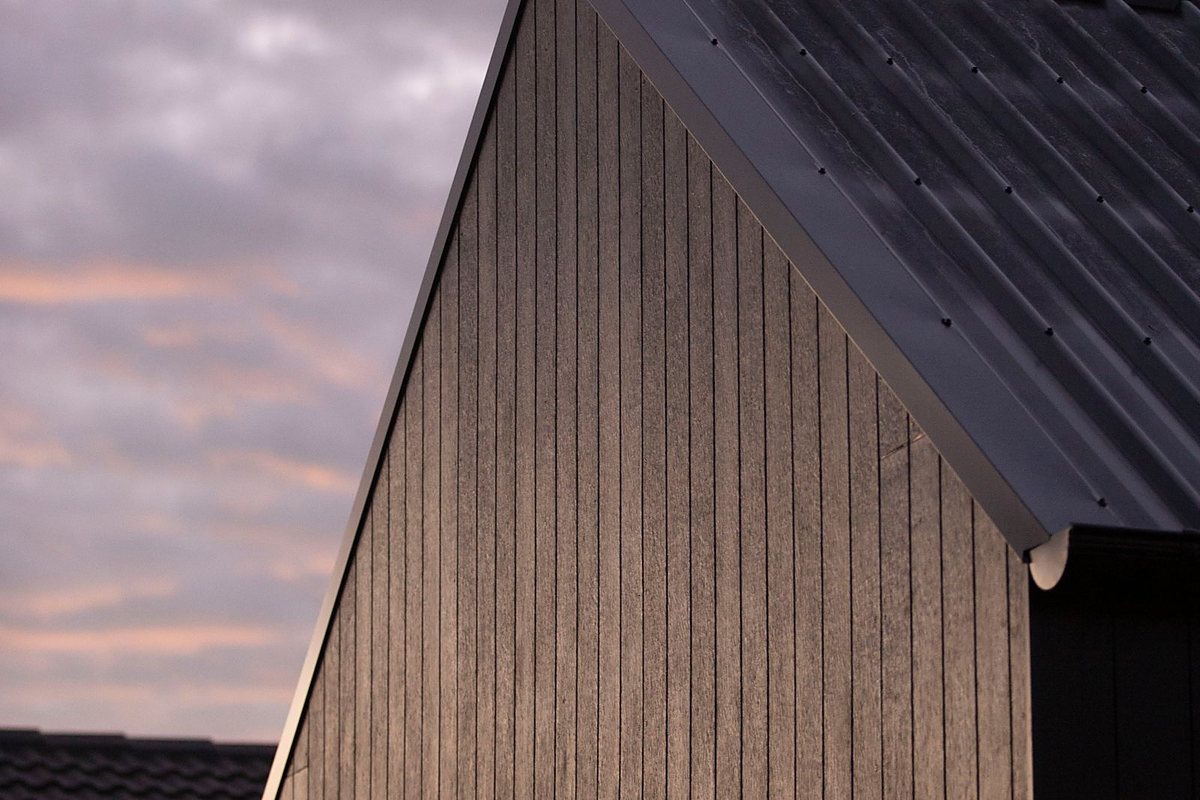
Standing seam metal
Concealed fasteners, high-temp underlayment and matched trim. Common on acreage and custom homes.
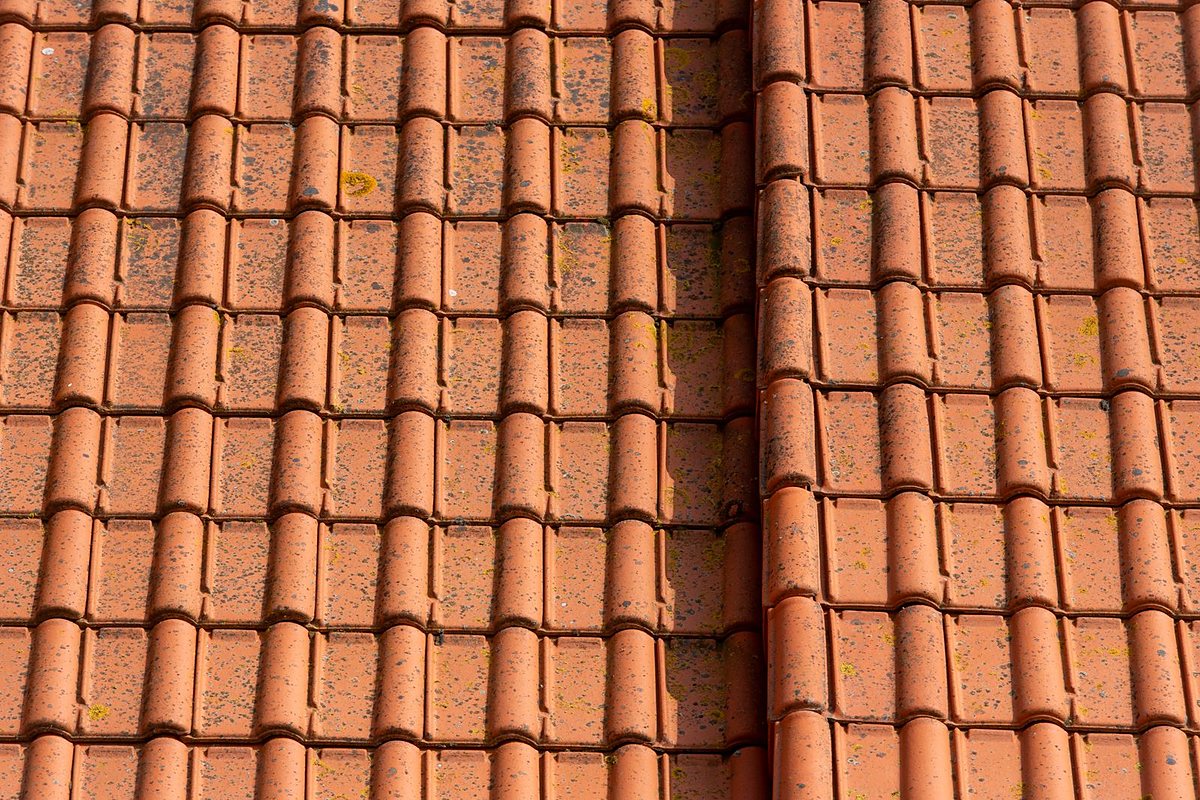
Clay & concrete tile
Tile lift and re-lay over new underlayment, with broken tile replaced from salvage.
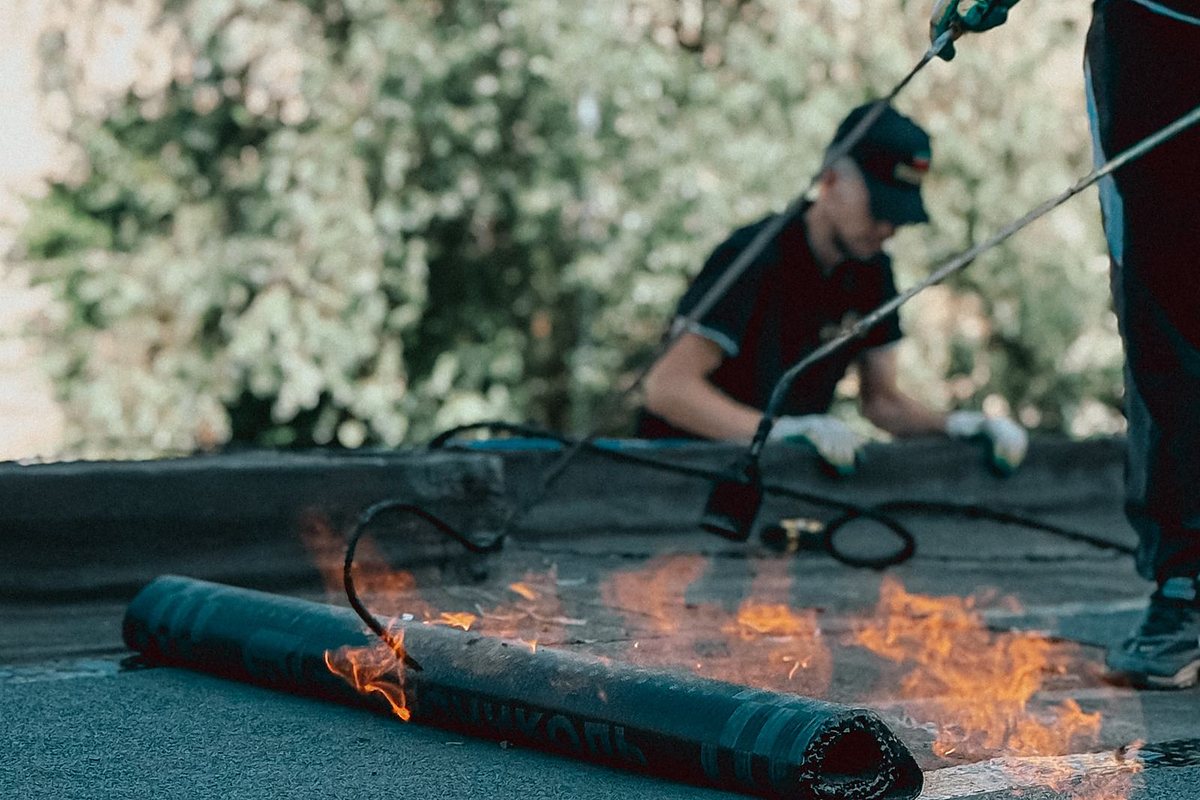
TPO low-slope
Heat-welded membrane, new insulation where wet, and rebuilt HVAC curb flashings.
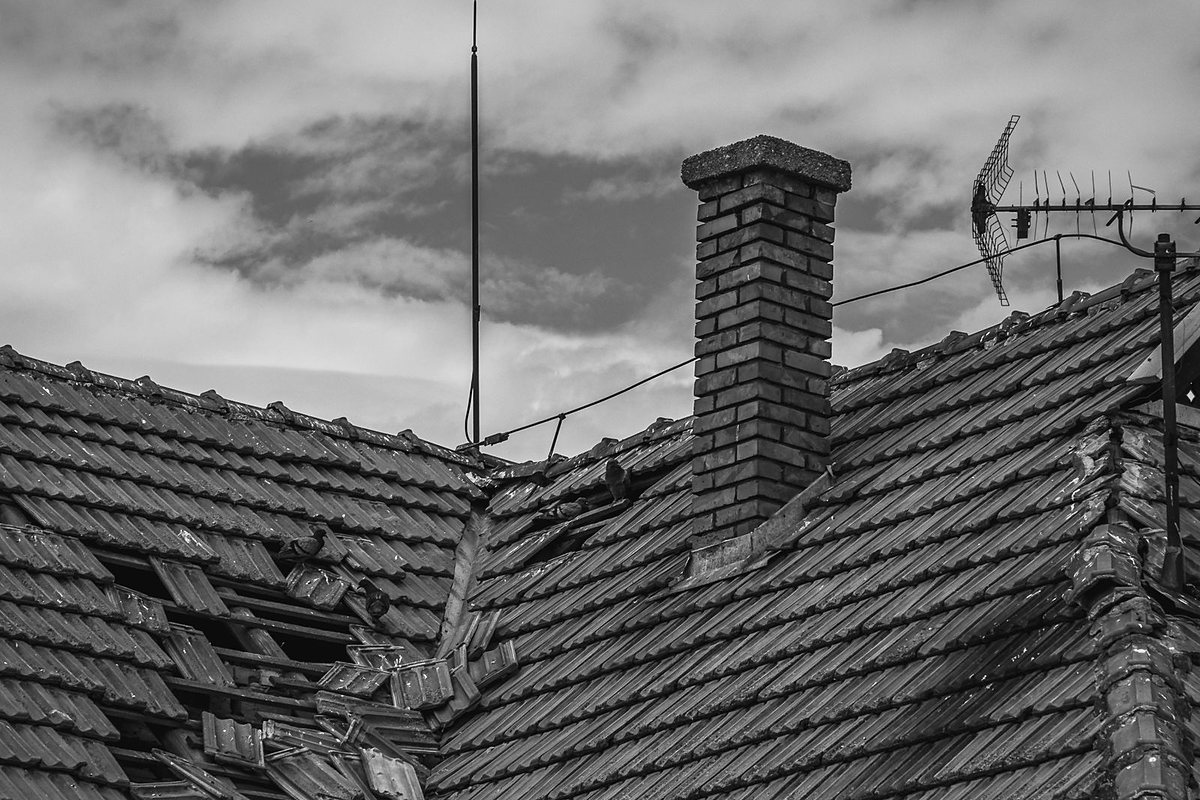
Storm damage repair
Emergency tarping, documented wind damage and permanent repair after the season.
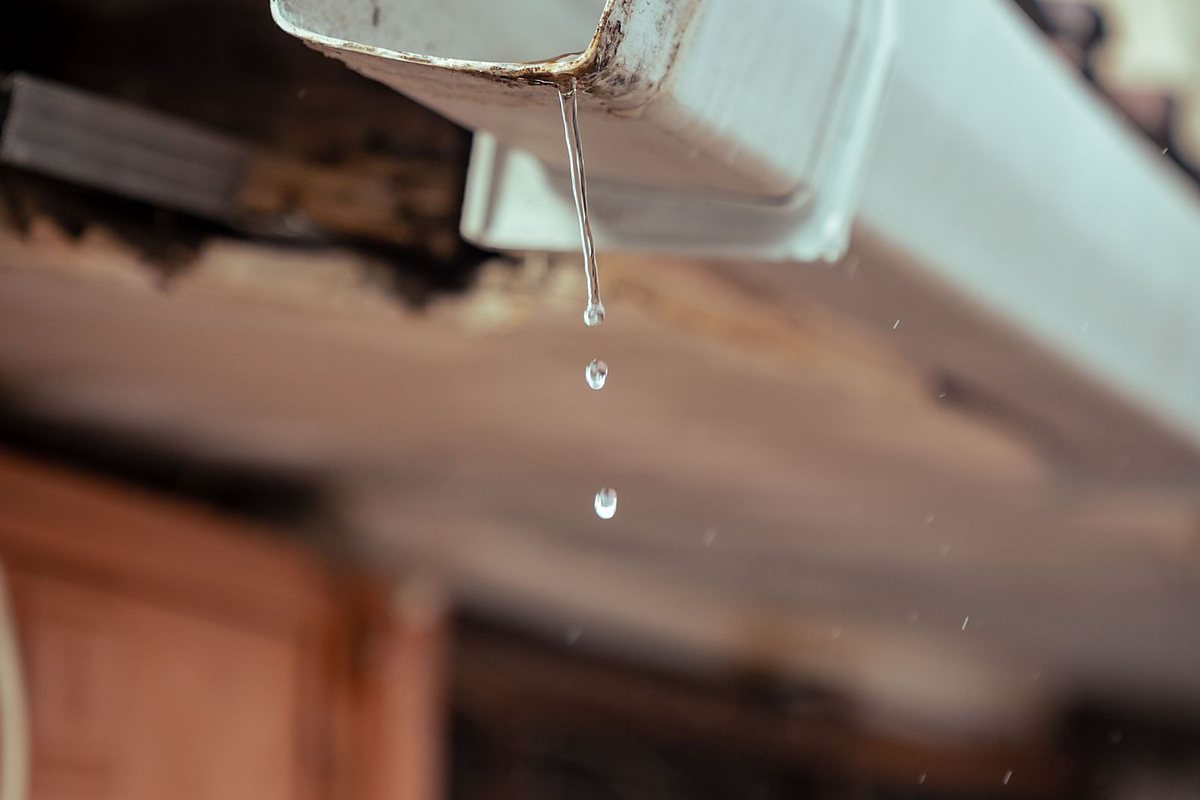
Gutters & fascia
Seamless aluminum gutters, guards and rotted fascia replacement under the live oaks.
Images illustrate roof systems and materials, not specific customer properties. Real project photos are added as jobs are completed and photographed.
Why the assembly matters
The shingle brand is the least important decision
Homeowners often ask which shingle or panel we recommend. The honest answer is that the brand matters far less than what sits under it and how the edges are finished. A premium shingle installed over old flashing, with blocked soffits and no secondary water barrier, will underperform a mid-range shingle installed properly.
Every system our roofing partners install includes the same non-negotiables:
- Deck inspection and repair before anything goes down, with photos of what was replaced.
- High-temperature synthetic underlayment suited to Florida heat, not standard felt.
- Ice-and-water membrane at valleys, eaves and penetrations where wind-driven rain is forced uphill.
- New metal flashing at walls, chimneys, skylights and valleys — never reused.
- Balanced ventilation: soffit intake and ridge exhaust sized to the attic volume.
- Wind-rated fastening to the manufacturer's pattern, checked before the covering goes on.
- Permit and final inspection through the correct jurisdiction.
That is the difference between a roof that survives a Gainesville summer and one that looks fine until the first wind-driven storm.
1. Roof covering — shingle, metal panel or tile.
2. Underlayment — the secondary waterproofing layer.
3. Flashing — metal at every transition and penetration.
4. Decking — sheathing that carries the load and holds the fasteners.
5. Ventilation — intake, exhaust and insulation clearance.
6. Structure — rafters, trusses and roof-to-wall connections.
Ask for the layers. Any written estimate should name the underlayment, the flashing approach and the ventilation plan. If it only names the shingle, the quote is incomplete.
What a project day looks like
On site, from delivery to final sweep
- Morning setup. Materials staged, landscaping covered, driveway protected, permit posted.
- Tear-off. Old roofing removed and the deck inspected. Any soft sheathing is photographed and replaced with your approval.
- Dry-in. Underlayment and ice-and-water membrane installed the same day so the roof is never left open overnight.
- Details. New flashings, valleys, vents and drip edge before the field material goes on.
- Install. Shingle, metal or tile installed to the manufacturer's specification, with nailing and spacing checked.
- Cleanup. Debris removed, magnet sweep of lawn and driveway, final walkthrough with photos.
Most residential roofs are completed in one to three days once the permit is issued.
Final inspection record · manufacturer warranty registration · written workmanship warranty · photo documentation of decking, flashing and finished roof · wind mitigation report · care and maintenance notes.
Documentation matters. The photos and paperwork are what support an insurance claim, a warranty call or a resale five years from now. We keep a copy and you get one.
Questions & answers
Roof system questions
What goes into a roof, and what to insist on before you sign.
What is the most important part of a roof system?
The underlayment and flashing. The visible covering sheds most water, but the underlayment and metal details are what keep wind-driven rain out when the covering is compromised. In Florida, they also determine how long the roof survives heat and storm exposure.
Do you install the same system on every house?
No. Pitch, structure, architectural style, budget, HOA rules and insurance requirements all shape the recommendation. A low-slope porch needs a different system than a steep main roof, and a tile roof needs a structure that can carry the weight.
Can I see photos from a real local project?
Yes. Call and ask for examples of the roof type closest to yours. We will show you the decking, flashing and finished result from comparable Gainesville-area work.
How long does a roof system last here?
Architectural shingles typically last 15–20 years, metal 40–50, and tile 50+ with underlayment replacement at 20–25 years. Installation quality and attic ventilation move those numbers significantly.
Want to see a roof like yours?
Call and we will show you photos from comparable local projects and explain the system.
Call any time