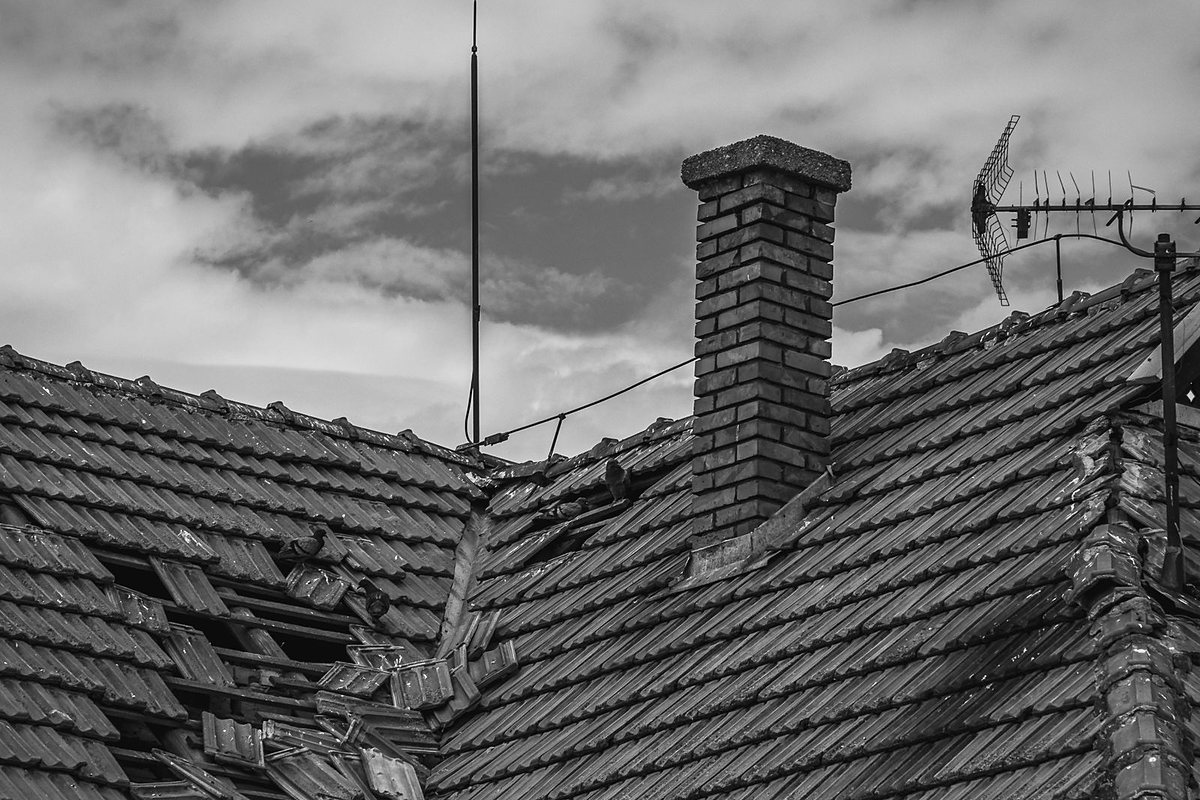
What to do in the first 24 hours
Your priorities after a storm are safety, containment and documentation — in that order.
- Stay off the roof. Wind-damaged shingles, wet surfaces and downed power lines make this the most dangerous time to climb.
- Check for water inside. Look at ceilings, around chimneys and skylights, and in the attic if it is safe.
- Photograph everything before you move or clean anything: the ceiling stains, the water on the floor, damaged belongings, and any visible roof damage from the ground.
- Move valuables and contain drips. Buckets and towels, and move furniture away from wet areas.
- Call your insurer to open a claim, and call us for temporary protection and a documented inspection.
Do not sign anything from a contractor who knocks on your door unsolicited after a storm. You are never obligated to use them, and Florida law gives you the right to choose your own contractor.
Wind damage vs. normal wear: why the distinction matters
Adjusters are trained to separate storm damage from maintenance issues. A shingle that was already curled and brittle before the storm may be denied; a shingle that was intact and is now creased, lifted or missing is a different conversation.
We document the difference with close-up photos, note the direction of damage and identify patterns consistent with wind uplift rather than age. We also photograph unaffected slopes for comparison. That evidence is what supports a claim — not a contractor's opinion alone.
We do not negotiate your claim and we do not inflate damage. We give you an honest, documented scope and let the adjuster do their job.
Not sure whether the damage is claim-worthy?Call and describe what you are seeing — we will give you a straight answer before anyone climbs up.
Call (352) 614-6215Emergency tarping and temporary repairs
When the roof is open, the goal is to stop water from doing more damage until a permanent repair is possible. We use reinforced tarps secured to the structure — not bricks on top — and photograph the opening before covering it.
Tarping is a temporary measure. It buys time, protects the interior and preserves evidence. It is not a substitute for repair, and we will schedule the permanent work as soon as materials and weather allow.
If a tree has penetrated the roof, do not attempt to remove it yourself. The limb may be holding structural members in place.
Working with your insurance claim
We are a roofing referral service, not a public adjuster, and we do not represent you in the claim. What we can do is make the contractor side of the process straightforward:
- Provide a detailed repair scope with measurements, materials and photos.
- Meet the adjuster on site when scheduling allows.
- Identify code-required items that are sometimes missed, such as flashing, ventilation and permit costs.
- Complete the work to the scope approved and document any hidden damage found during tear-off.
Florida law requires insurers to cover the cost of getting the roof back to code, not just the damaged area, in many circumstances. Ask your adjuster about code upgrade coverage if the roof is being replaced.
What storm damage repair costs
Typical ranges in Alachua County:
- Minor wind damage, a handful of shingles: $400–$900.
- Larger slope repair with matching material: $900–$2,500.
- Limb impact with decking repair: $1,500–$6,000+.
- Emergency tarping: typically $350–$900, depending on size and access.
If the damage is widespread or the roof is already near the end of its life, replacement may be the more sensible outcome. We will tell you which side of that line you are on.
Ready to get a real answer?Call (352) 614-6215 and describe what your roof is doing. Written estimates across Gainesville and Alachua County.
Call (352) 614-6215Questions & answers
Frequently asked questions
Straight answers about storm damage roof repair in Gainesville.
Do you offer emergency roof tarping in Gainesville?
Yes. We prioritize open roofs and active leaks after storms. Call (352) 614-6215 and describe the damage. If we cannot get there immediately, we will advise on temporary protection.
Will my insurance cover storm damage to my roof?
Sudden damage from wind, hail or falling limbs is generally covered; damage from age, poor maintenance or installation defects usually is not. Your deductible and policy terms apply. We document the cause so the claim can be evaluated on evidence.
Can you meet my adjuster?
When scheduling allows, yes. Having the contractor on site helps ensure the scope captures code-required items and that nothing visible is missed.
What if a tree is on my roof right now?
Stay out of the affected rooms and do not try to remove the limb. Call your insurer and call us. If there is any risk of structural collapse or downed power lines, leave the house and call 911 first.
Do you work with public adjusters?
Yes, we work alongside them when a homeowner has chosen to use one. We provide the technical scope and complete the work; the public adjuster handles the claim representation.
How long before permanent repairs can start?
Usually within days of the storm passing and the claim being scoped, depending on material availability and permit timelines. Emergency protection goes on first.
Roofer in Gainesville serves homeowners across Alachua County and North Central Florida.