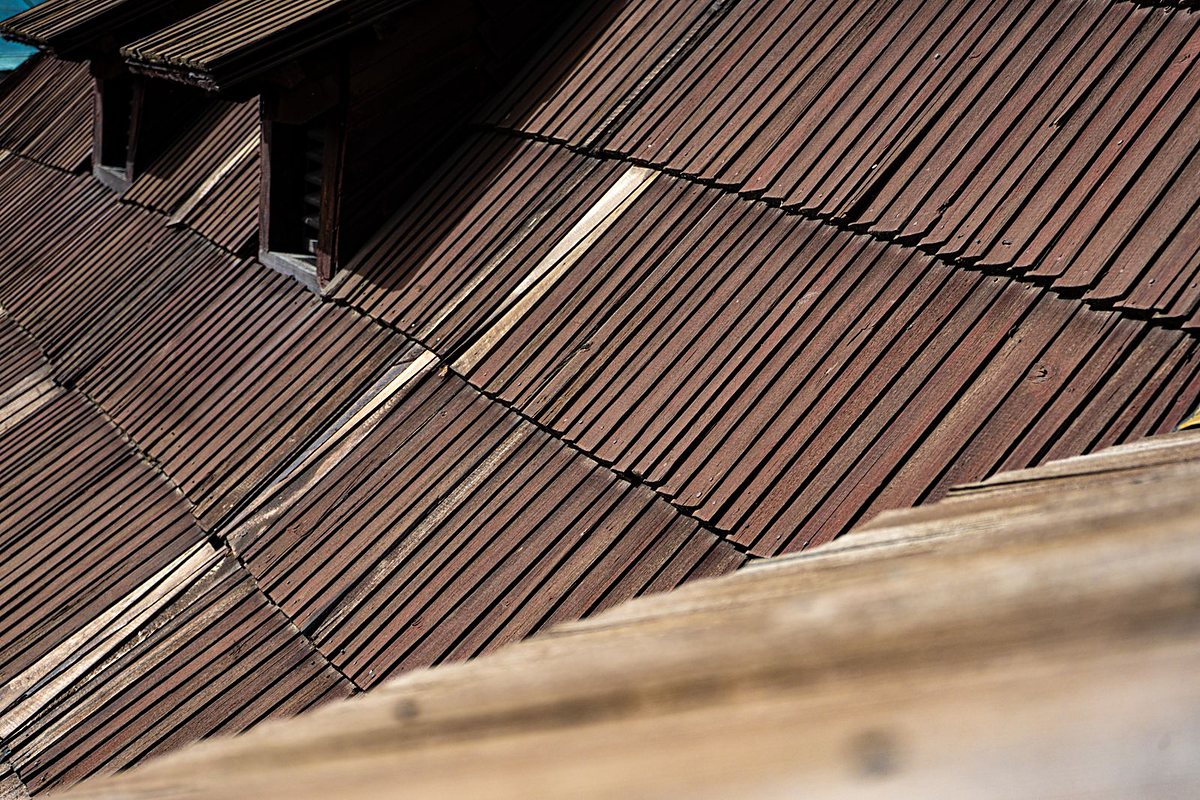
- Architectural shingles typically last 15–20 years in North Central Florida.
- Metal roofs commonly reach 40–50 years with proper fastening and maintenance.
- Tile lasts 50+ years, but underlayment needs replacement at 20–25 years.
- Ventilation, sun exposure and debris are the biggest local lifespan factors.
- Insurance and resale often force the decision before the roof actually fails.
Roof lifespan by material in Gainesville
| Material | Typical life here | What usually ends it |
|---|---|---|
| Three-tab asphalt shingle | 12–16 years | Granule loss, curling, wind damage |
| Architectural shingle | 15–20 years | UV aging, heat, flashing failure |
| Exposed-fastener metal | 25–40 years | Fastener and washer failure, rust |
| Standing seam metal | 40–50 years | Finish wear, penetration leaks |
| Clay / concrete tile | 50+ years (tile) | Underlayment at 20–25 years |
| TPO / modified bitumen | 15–25 years | Seam failure, ponding, wet insulation |
These are real-world ranges for this climate, not warranty periods. A well-ventilated roof under shade may beat them; a west-facing roof over a hot attic may not.
Why Florida roofs age faster than the label says
Four things do most of the damage:
Ultraviolet light
The sun breaks down the asphalt that holds the shingle together. South and west slopes go first, which is why one side of a roof can look years older than the other.
Heat from below
An unventilated attic can reach well over 140°F. That cooks the shingles from underneath, accelerating the same aging process the sun starts on top. Balanced soffit and ridge ventilation is one of the highest-return details on a Florida roof.
Moisture and humidity
Humidity keeps the roof assembly damp longer after rain. Shade and debris make it worse. That promotes algae, moss, fascia rot and corrosion at fasteners.
Wind and rain
Summer thunderstorms drive rain sideways into flashing details that a gentle rain never reaches. Hurricane season adds the risk of uplift and debris impact.
How to estimate the years left on your roof
You cannot date a roof by looking at it from the street, but these clues help:
- Age: if you know the install year, start with the material range above and adjust downward for poor ventilation or full sun.
- Granules: granules in the gutters and bare patches on the slopes mean the surface is going.
- Flex: a shingle that cracks instead of bending when lifted at the edge is near the end.
- Stains: dark streaks are usually algae (cosmetic), but brown rings on the ceiling are not.
- Repair history: three repairs in two years is a pattern, not bad luck.
- Insurance: if your carrier is asking for documentation or moving you to actual cash value, the market has already made a judgment.
A documented inspection with photos is the only reliable answer. It also gives you something to show an insurer or buyer.
Want a second opinion on your roof?Call and describe what you are seeing — we will give you a straight answer before anyone climbs up.
Call (352) 614-6215How to get more years out of a Florida roof
- Fix ventilation. Clear soffit vents, add ridge vent if missing, and keep insulation from blocking intake.
- Keep debris off. Live oak litter holds moisture in valleys and behind chimneys.
- Clean gutters. Overflow rots fascia and backs water under the bottom shingles.
- Repair small failures immediately. A $300 pipe boot beats a ceiling repair and a mold problem.
- Inspect after storms. Wind damage is often invisible from the ground.
- Do not pressure-wash shingles. It strips granules. Gentle washing or professional soft-washing for algae is different.
- Trim overhanging limbs. They abrade the roof and drop debris.
Maintenance will not make a 20-year-old shingle roof last another decade, but it will prevent the avoidable failures that shorten an otherwise healthy roof's life.
When to stop repairing and replace
The decision is usually financial rather than technical. A roof with two or three good years left is worth repairing. A roof with one year left is not worth a $1,500 repair unless it gets you to a better time to replace.
Signs the balance has tipped:
- Multiple leaks in different areas within a year.
- Widespread curling, missing tabs or exposed mat.
- Soft decking or sagging.
- Insurance requiring replacement to keep coverage.
- A repair quote that exceeds roughly 20–25% of replacement cost on an old roof.
Read the eight signs you need a new roof for the detailed version.
Want this checked on your roof?Call (352) 614-6215 and we will inspect it, photograph what we find and tell you what it needs.
Call (352) 614-6215Questions & answers
Common questions
Short answers related to this guide.
Does a 30-year shingle really last 30 years in Florida?
Rarely. Fifteen to twenty years is realistic for most Gainesville homes. The “30-year” label refers to a warranty class, not a guarantee of service life in this climate.
How long does a metal roof last in Florida?
Standing seam commonly lasts 40–50 years. Exposed-fastener panels can last as long, but washers and screws need periodic replacement.
How long does a tile roof last?
The tile can last 50 years or more, but the underlayment beneath it usually needs replacement at 20–25 years. That underlayment is the actual waterproofing.
Can I make my roof last longer?
Yes — ventilation, debris removal, gutter cleaning and prompt repairs all extend life. You cannot reverse UV aging, but you can prevent the failures that end a roof early.
How do I know if my roof is original to the house?
Check the home inspection report, permit records with the city or county, or ask the previous owner. A roofer can also estimate age from the material, wear pattern and layer count.
Roofing company in Gainesville covers all of Alachua County, including the surrounding towns.
Published January 22, 2026 · Updated November 8, 2026 · Gainesville Roofing FL, Gainesville, Florida.