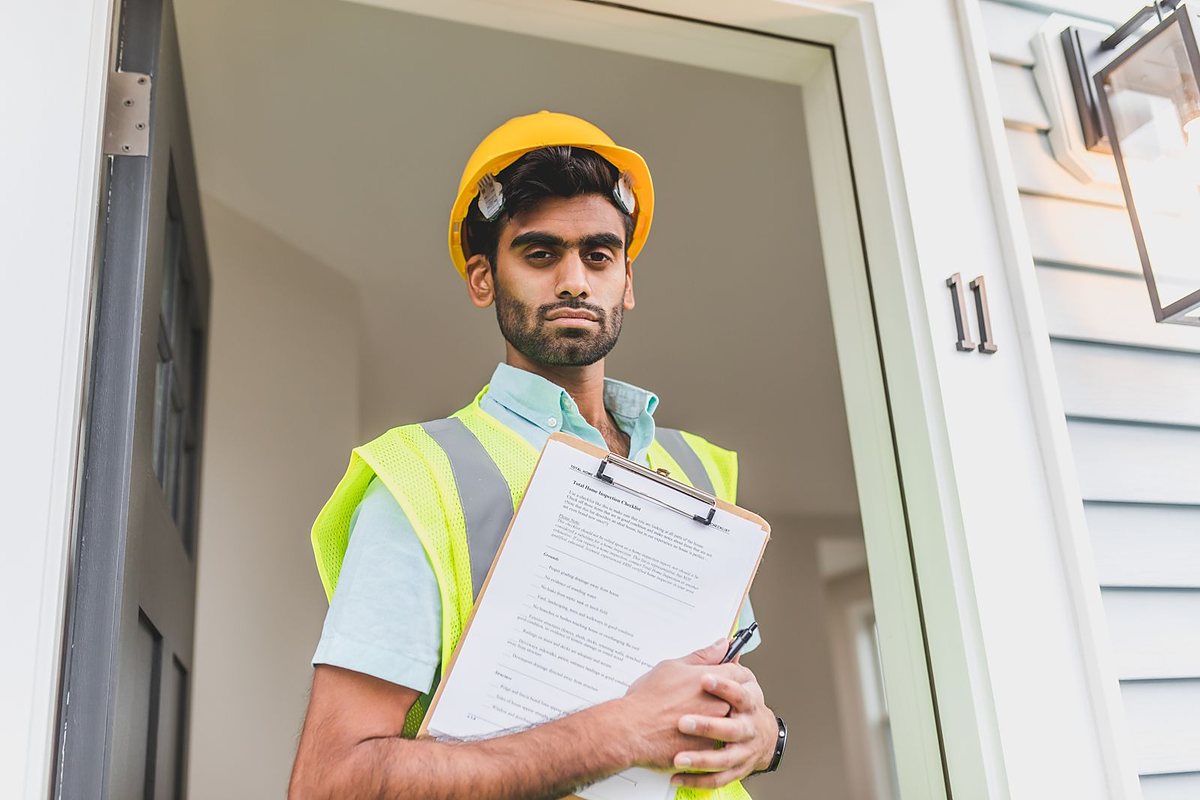
- Verify license, insurance and a real local address before anything else.
- Every re-roof should have a permit and a final inspection.
- Compare written scopes, not just totals.
- Get the warranty terms in writing, including workmanship.
- Never pay a large cash deposit or let anyone waive your deductible.
1. Verify license, insurance and location
Florida requires roofing contractors to be licensed, and local work requires insurance. Ask for:
- License number and the name it is issued to. Verify it with the state database, not just the business card.
- Certificate of insurance for general liability and workers' compensation. Call the insurer if you want to be certain.
- A physical local address and a phone number that reaches a person.
- Local references from the past year, ideally in your part of town.
A contractor with no local address, no verifiable license and out-of-state plates is a risk you do not need to take.
2. Get written, itemized quotes
A proper quote is a document, not a number on a business card. It should include:
- Scope of work: tear-off, decking, underlayment, flashing, ventilation, cleanup.
- Materials and product names, including underlayment and accessory brands.
- Permit responsibility and cost.
- Decking replacement price per sheet.
- Payment schedule tied to milestones, not a large upfront cash deposit.
- Workmanship warranty length and what it covers.
- Start date and expected duration.
Get at least two, ideally three. Then compare scope line by line. The lowest total is often the smallest scope.
3. Ask these questions
- “Who will be on my roof — your employees or a subcontractor?”
- “What underlayment and flashing will you use?”
- “How will you handle decking if it is rotten?”
- “What ventilation are you installing, and how did you size it?”
- “Who pulls the permit, and who meets the inspector?”
- “What does your workmanship warranty cover, and for how long?”
- “Can you show me photos from a recent job in this area?”
- “What happens if it leaks after you finish?”
The answers tell you more than the brochure. A contractor who explains ventilation sizing and flashing detail without prompting knows the trade.
Want a second opinion on your roof?Call and describe what you are seeing — we will give you a straight answer before anyone climbs up.
Call (352) 614-62154. Red flags to walk away from
- Door-knocking after a storm with no local presence.
- Pressure to sign today for a “storm discount.”
- A price far below every other quote with no explanation.
- No written contract, or a contract with blank scope sections.
- Large cash deposit required upfront.
- Offers to waive your insurance deductible — generally illegal in Florida.
- Promises to “handle the insurance” for you.
- No permit, or a suggestion that a permit is unnecessary for a full re-roof.
- Warranty described verbally but not written into the contract.
None of these is automatically fraud, but together they describe a contractor who will be hard to hold accountable.
5. Understand the warranty
There are two warranties, and homeowners often conflate them:
- Manufacturer material warranty covers defects in the shingles or panels. It does not cover installation errors, and it is usually prorated after the early years.
- Workmanship warranty covers the contractor's installation. This is the one that matters most, because most failures are installation failures.
Ask how long the workmanship warranty runs, whether it is transferable if you sell, what voids it, and how to make a claim. Get it in the contract, not just the sales conversation.
6. Payment and project management
A reasonable structure ties payments to progress: a modest deposit for materials, a payment after tear-off or dry-in, and the balance after final inspection and cleanup. Be cautious with anyone demanding most of the money before work begins.
During the project, confirm:
- The permit is posted.
- Materials match the contract.
- The crew protects landscaping and removes debris daily.
- Decking damage is photographed and approved before replacement.
- The final inspection is scheduled and passed.
- You receive warranty documents and wind mitigation paperwork.
A good contractor expects you to check. A bad one gets defensive about it.
Want this checked on your roof?Call (352) 614-6215 and we will inspect it, photograph what we find and tell you what it needs.
Call (352) 614-6215Questions & answers
Common questions
Short answers related to this guide.
Do I need a licensed roofer in Florida?
Yes. Roofing is a licensed trade in Florida, and unpermitted or unlicensed work can complicate insurance, resale and warranty claims. Verify the license number with the state.
How many roofing quotes should I get?
Two or three is usually enough. More than that tends to produce confusion rather than clarity. Compare written scopes, not just totals.
Should I pay a deposit for a roof?
A modest deposit for materials is normal. A demand for most of the contract in cash before work starts is a red flag.
What is a reasonable workmanship warranty?
Ask for the terms in writing and compare. The length matters less than whether the contractor will still be in business and willing to honour it. Local presence is part of the warranty.
Can a roofer waive my insurance deductible?
No. Waiving or absorbing a deductible is generally illegal in Florida and is a serious red flag. Your deductible is your responsibility under the policy.
Roofer in Gainesville serves homeowners across Alachua County and North Central Florida.
Published June 9, 2026 · Updated November 8, 2026 · Gainesville Roofing FL, Gainesville, Florida.